El tapiz amarillo toma su nombre de un cuento corto escrito por la autora norteamericana Charlotte Perkins Gilman en 1892. Narra la historia de una mujer que tras dar a luz sufre una depresión. Su marido, médico, le receta una cura de reposo y la recluye en una casa campo, en una habitación con un papel pintado de color amarillo. La mujer ve ante sus ojos como un mundo nuevo y distinto emerge de esa pared, del papel. Un mundo que le hace desear abandonar la cordura, abrazar una libertad mental inusitada y abrazar la locura como un modo de ser ella. Gótico y lúcido a la vez, el texto habla del efecto de la violencia sobre la salud mental.
La nueva exposición de Guzmán Paz parte de una tesis fascinante e inspiradora: la condición mental de nuestro presente tiene raíces materialistas. Es decir, los crecientes problemas de ansiedad, de inquietud, no son un problema personal o individual con causas únicamente ligadas a nuestra vida, sino que son una condición cada vez más colectiva resultado de condiciones reales, materiales y cuantificables. El “tapiz amarillo” de nuestras sociedades es cada vez mas grande y presente. más condiciones político-sociales, el lenguaje utilizado para “amueblar” el mundo y sus descripciones es tan abigarrado y falso que crea un sentimiento creciente e ineludible de grandísima fealdad.
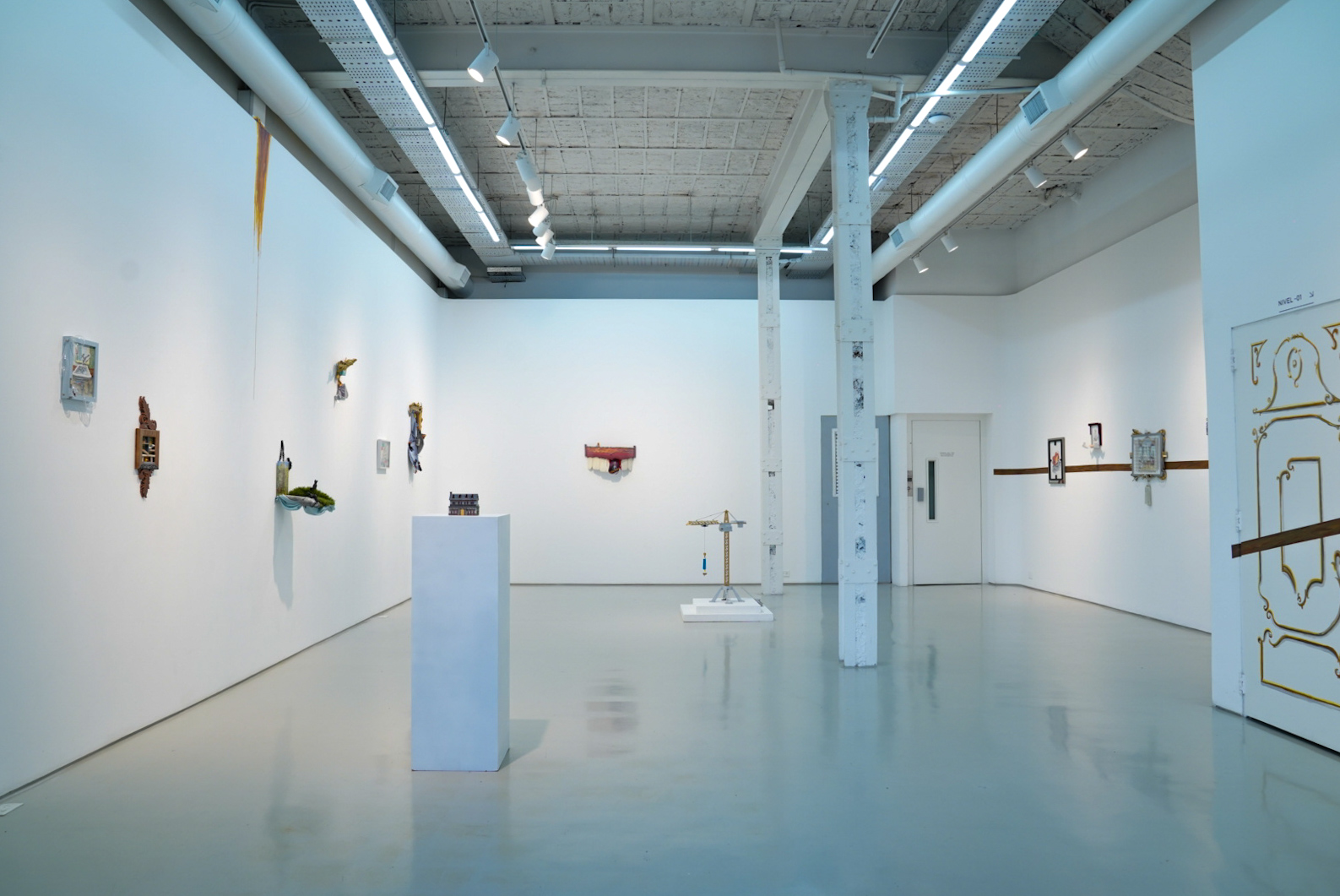
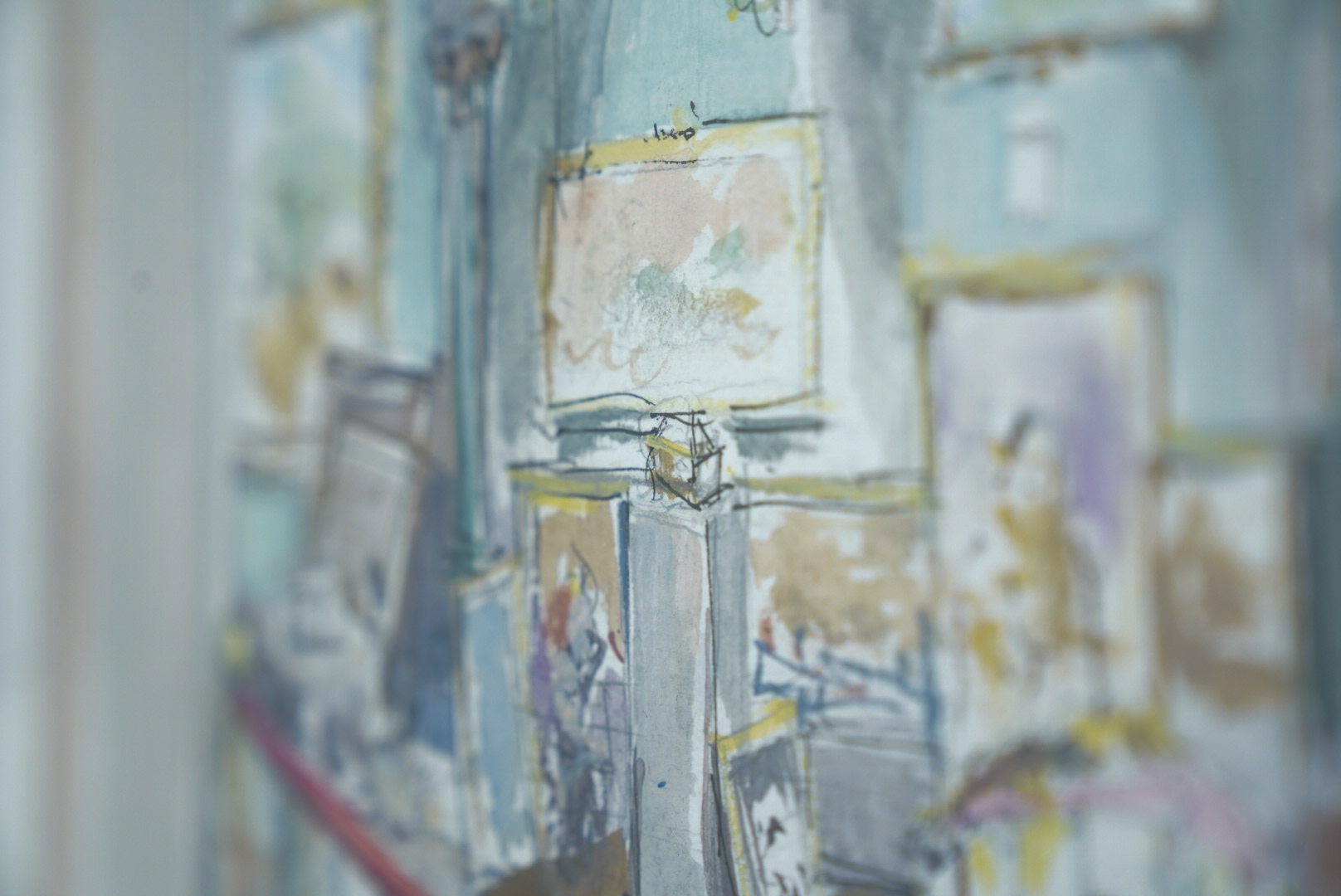
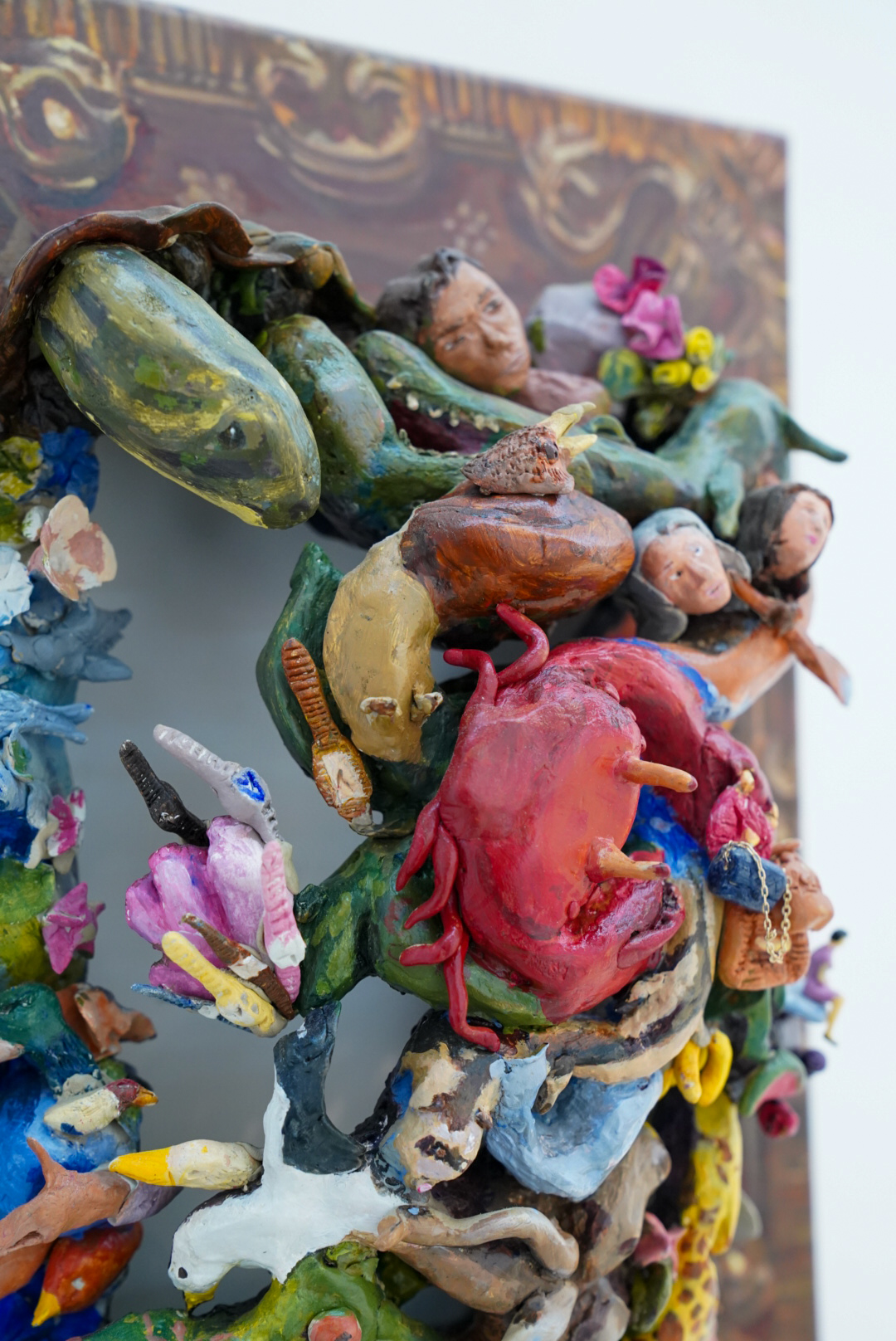
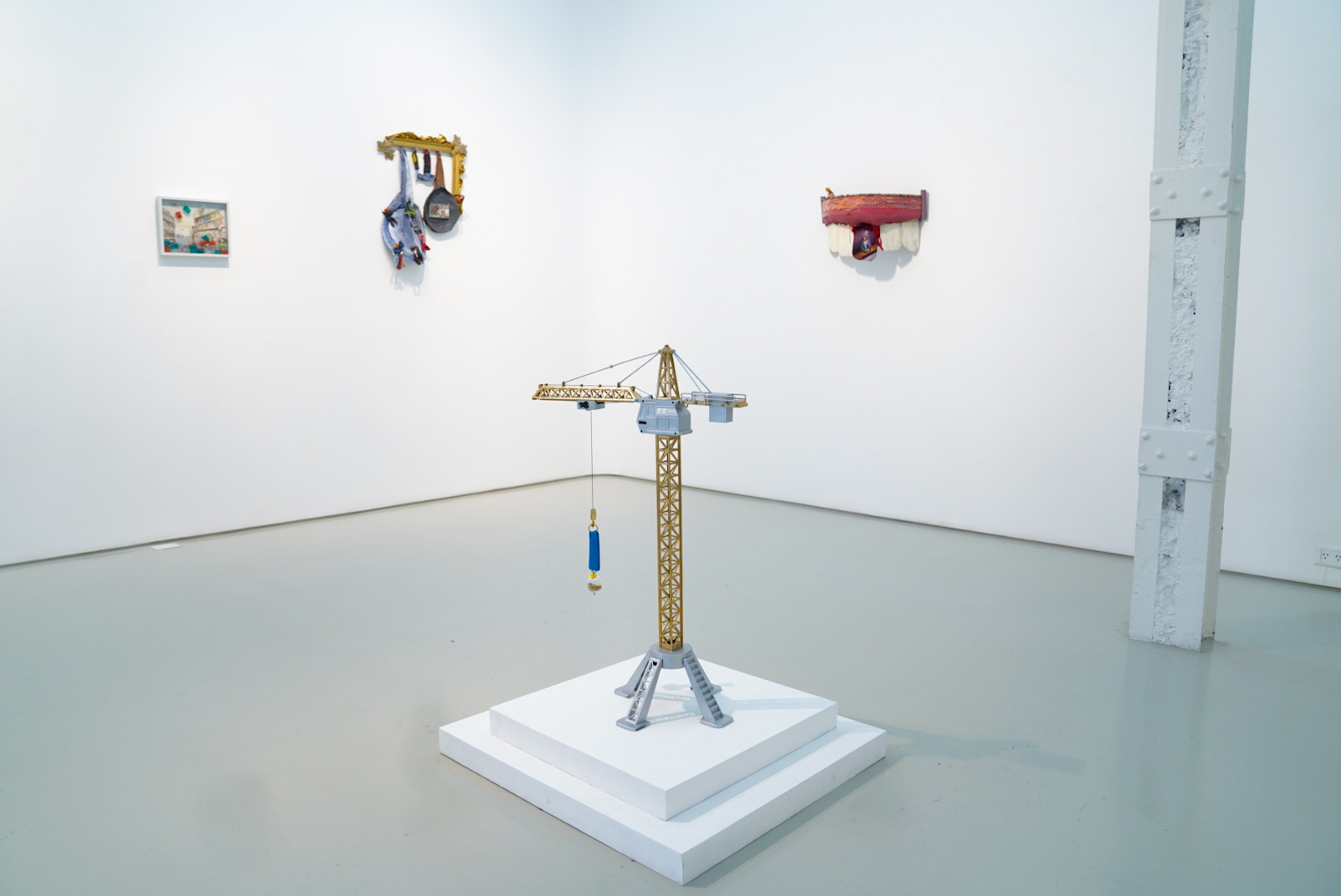
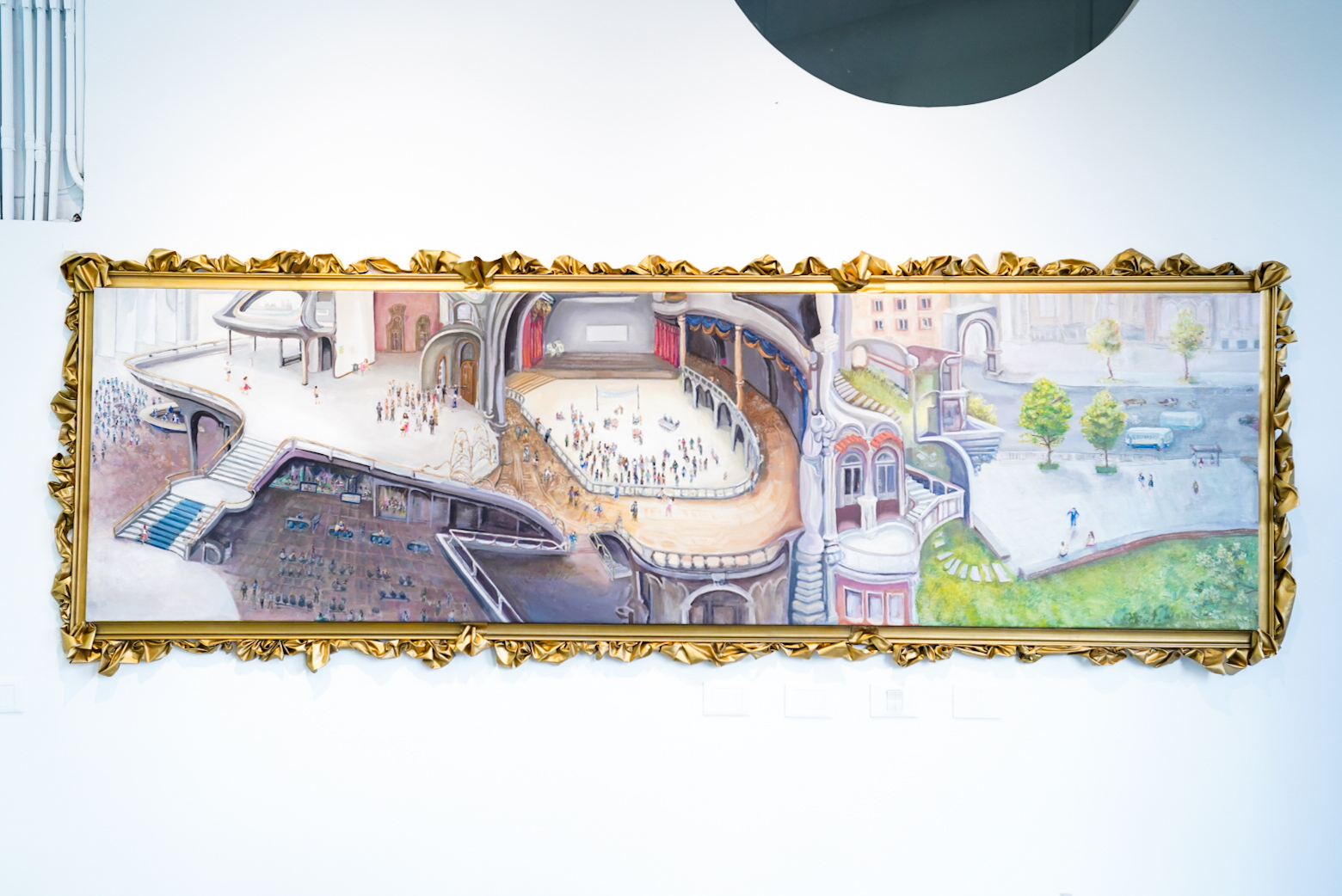
La instalación totalizante producida para el espacio de la galería trata precisamente de esa fealdad: el tapiz de imágenes que recrea el algoritmo en las redes sociales que contrasta con la crueldad extrema de las realidades bélicas crecientes y un lenguaje político que no conoce piedad, ni sofisticación y complejidad alguna y es tan descarnado como un diálogo escrito por ignorantes para una obra de teatro de pueblo que ahora es real y sucede cada vez que leemos las noticias. La realidad está tan empapada de ficciones que nos cuesta tener emociones sinceras y crecer como personas de bien.
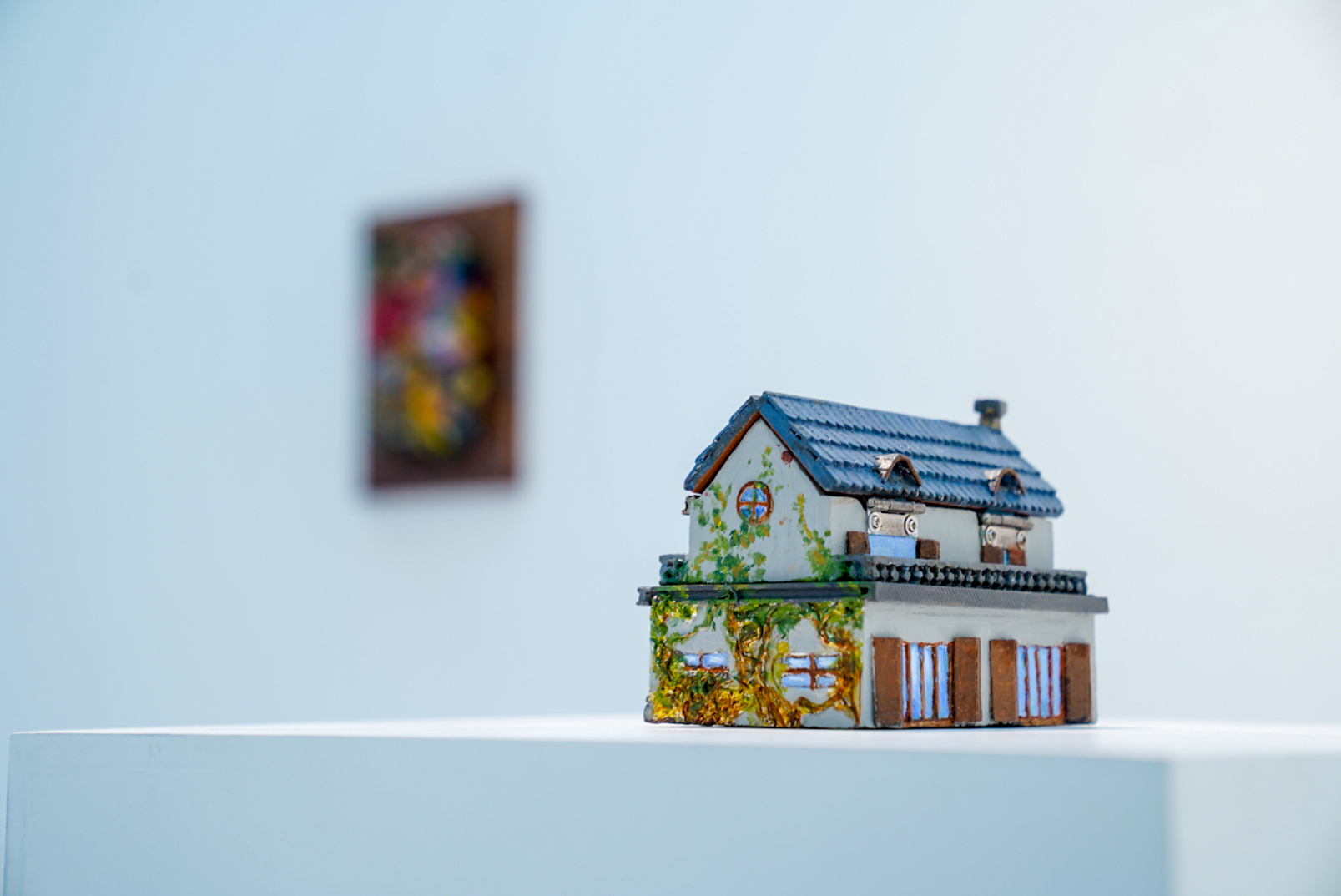
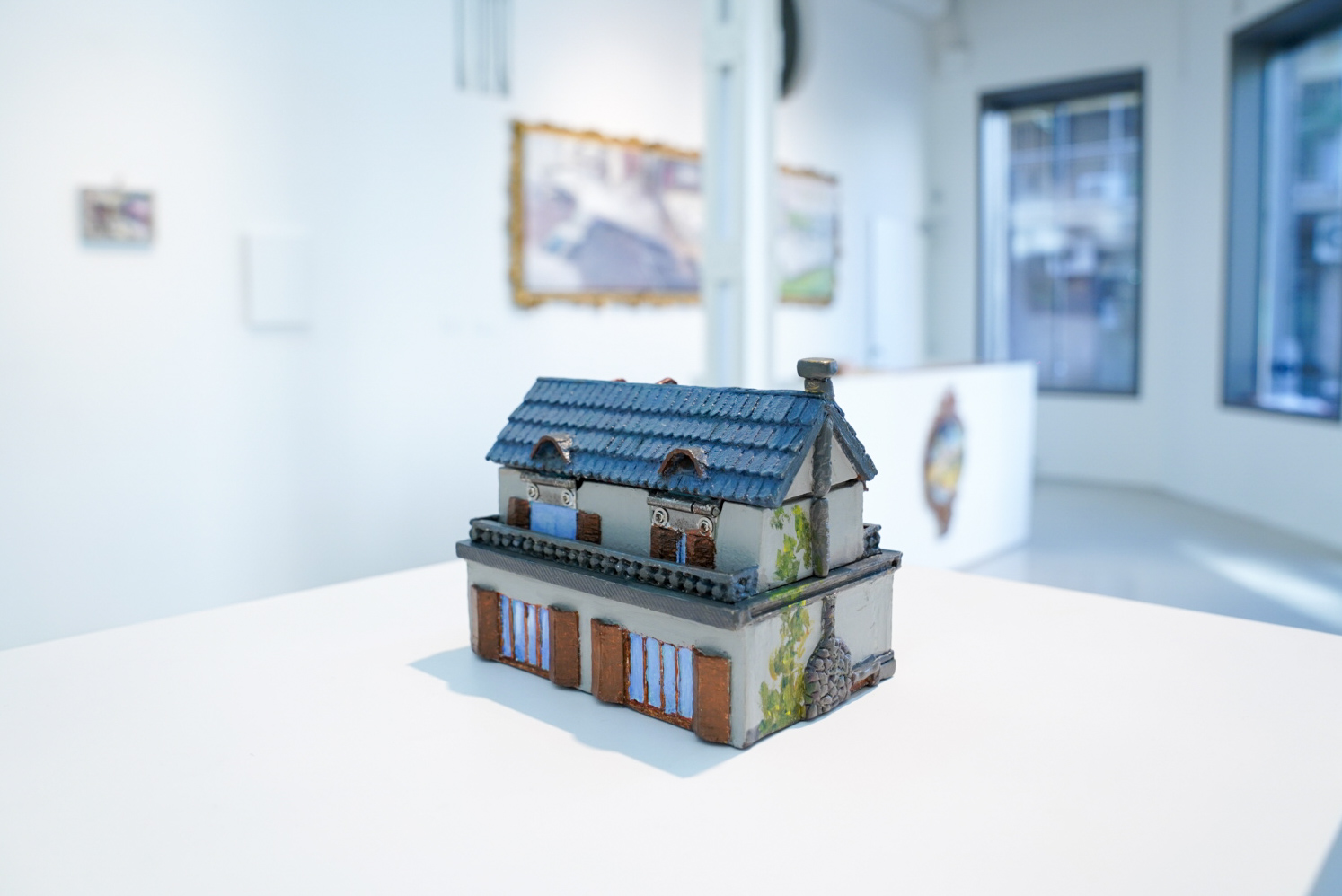
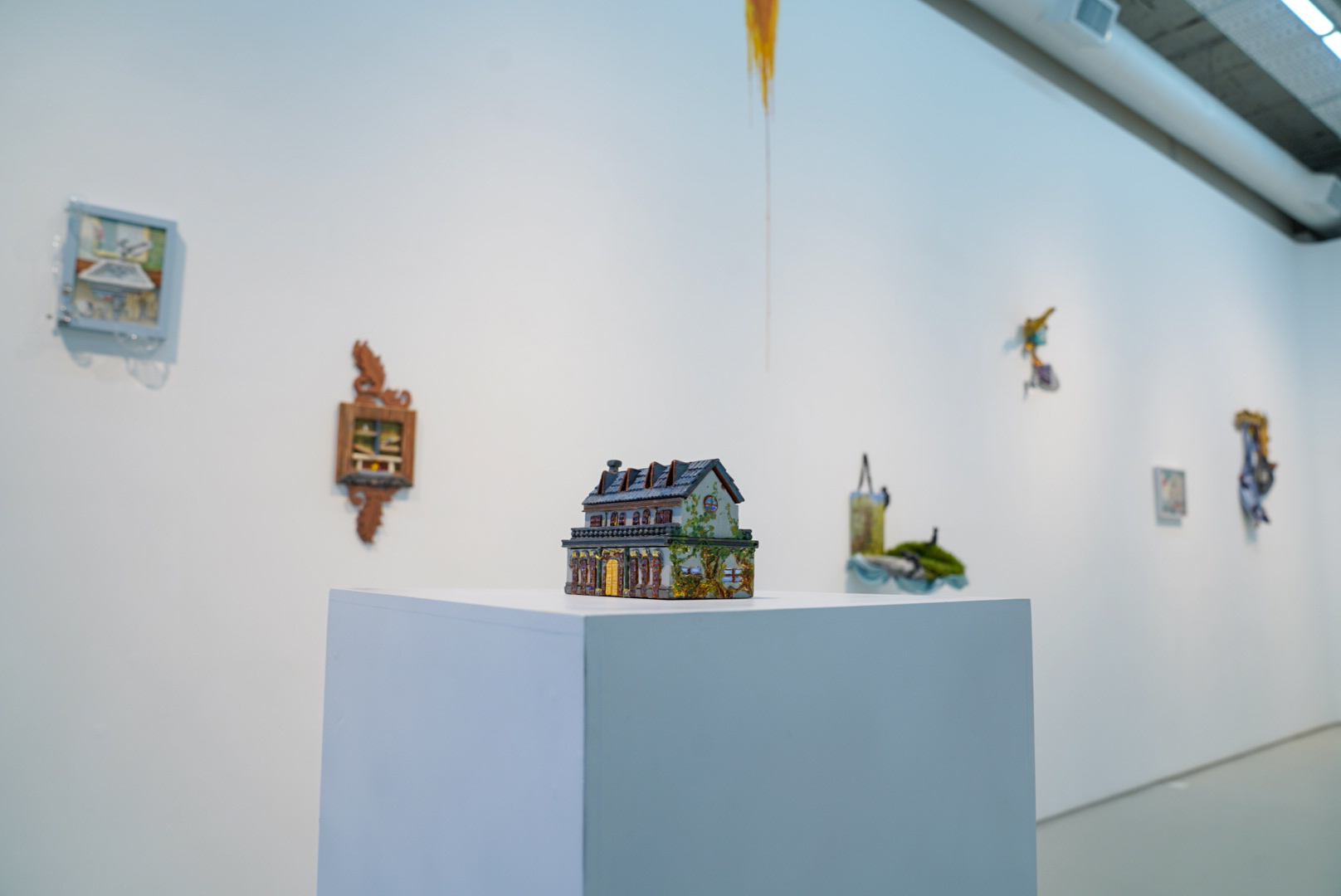
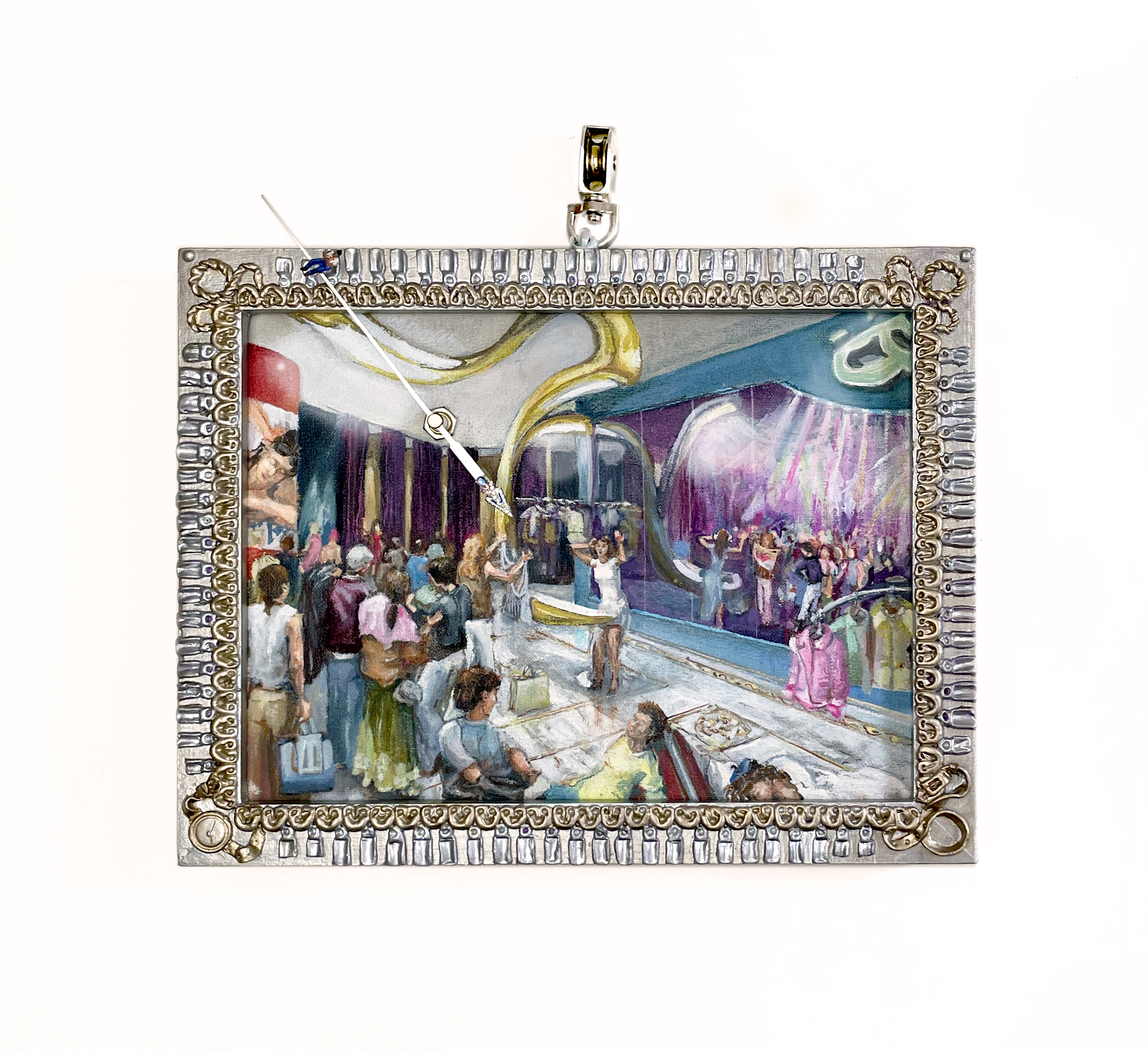
En el centro de la exposición hay una pieza minúscula, la miniatura de una casa casi de cuento de la que emanan todos los elementos que encontramos fuera de ella. Lejos de ser un sueño o un ideal al que aspirar, la casa es un almacén de horrores: los materiales, las escenas, la visión convencional y normativa del mundo… todo emana de ese sueño nuevo rico y materialista en lo que estamos convirtiendo el mundo. Todos acordamos que las bodas de multi-billonarios retransmitidas por instagram son kitsch y horteras y al tiempo, todos somos testigos de cómo ese gusto que replica motivos clásicos de la cultura de la elegancia —como un vestido inspirado en Sofía Loren— solo vierte más obscenidad a la vida pública.
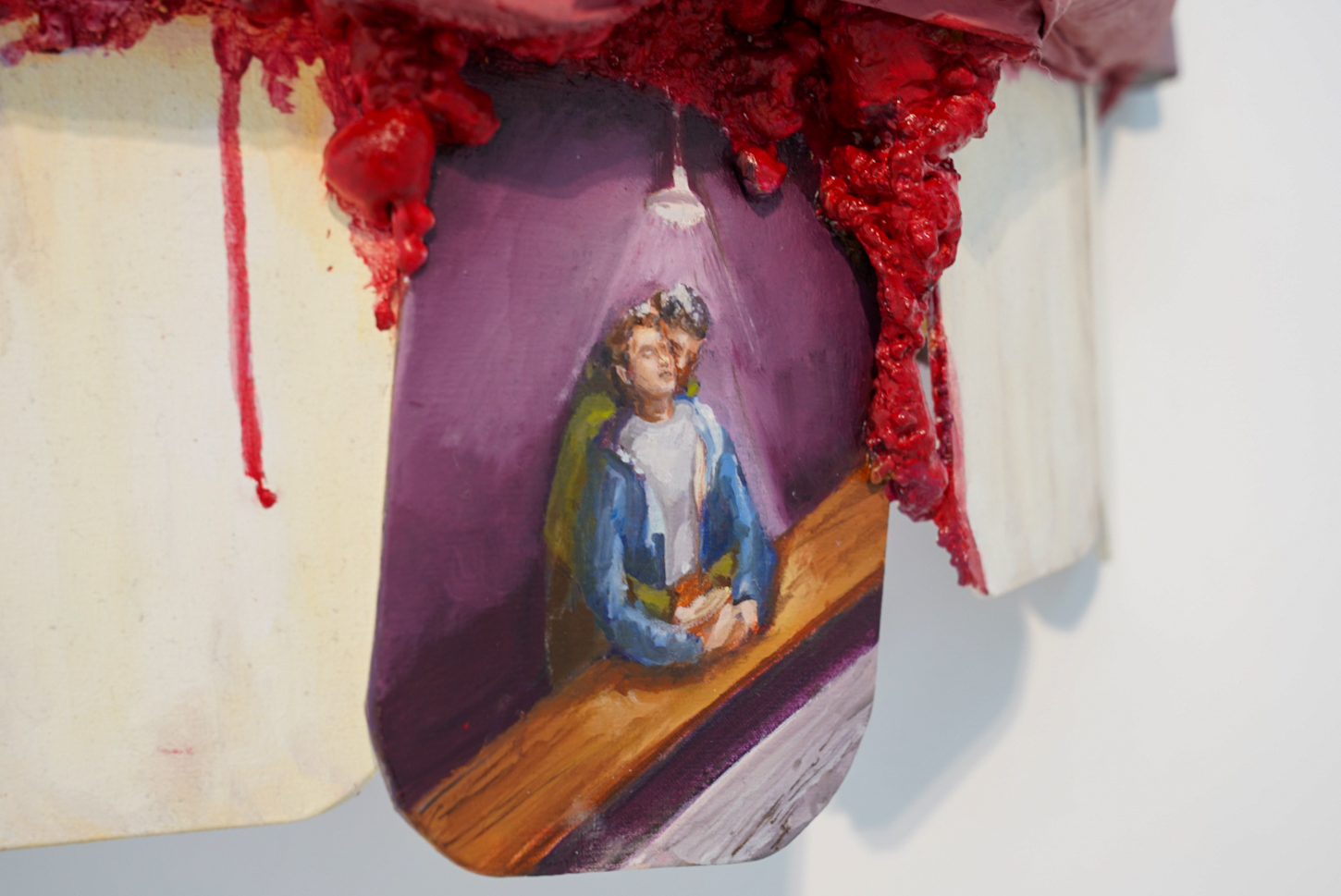
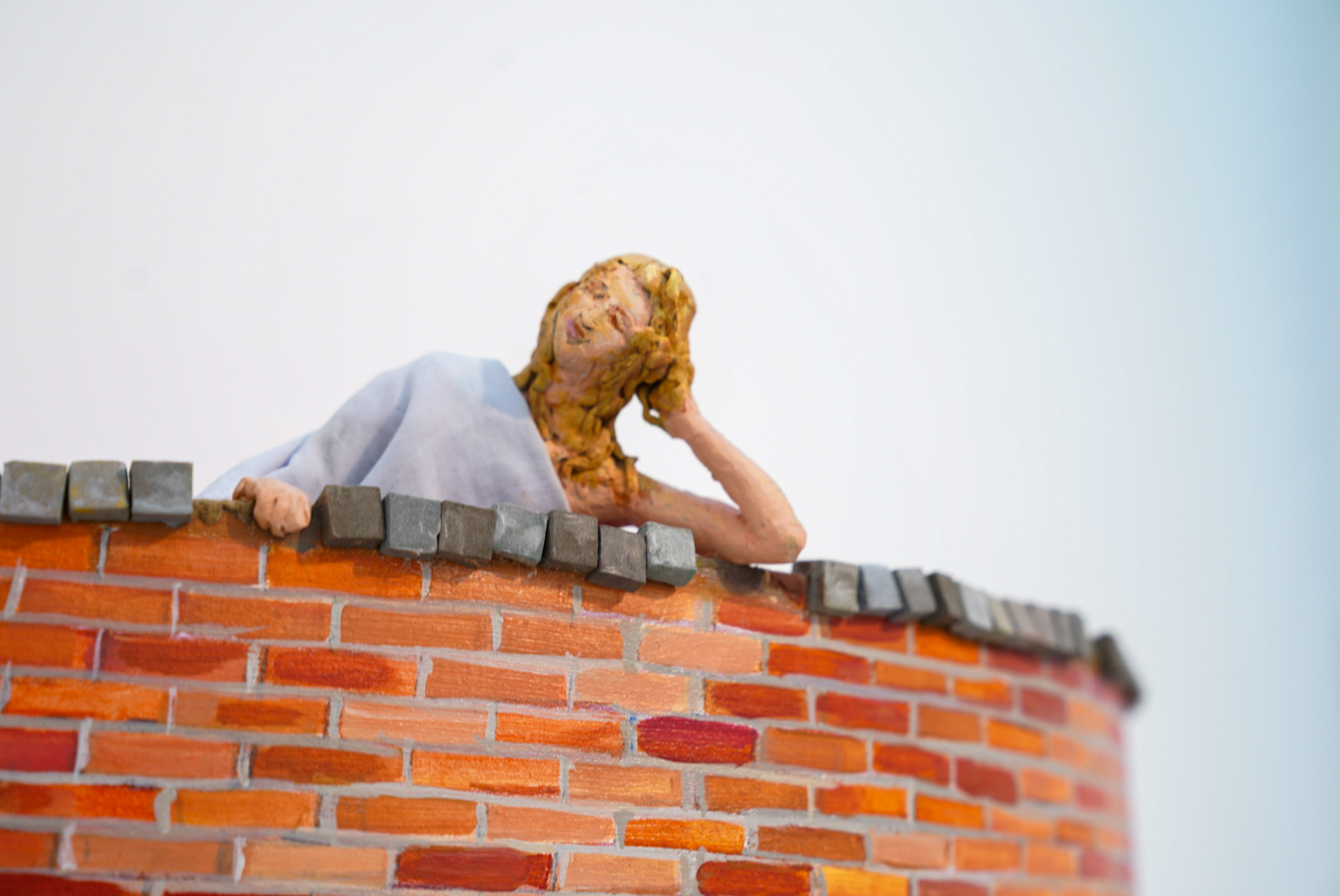
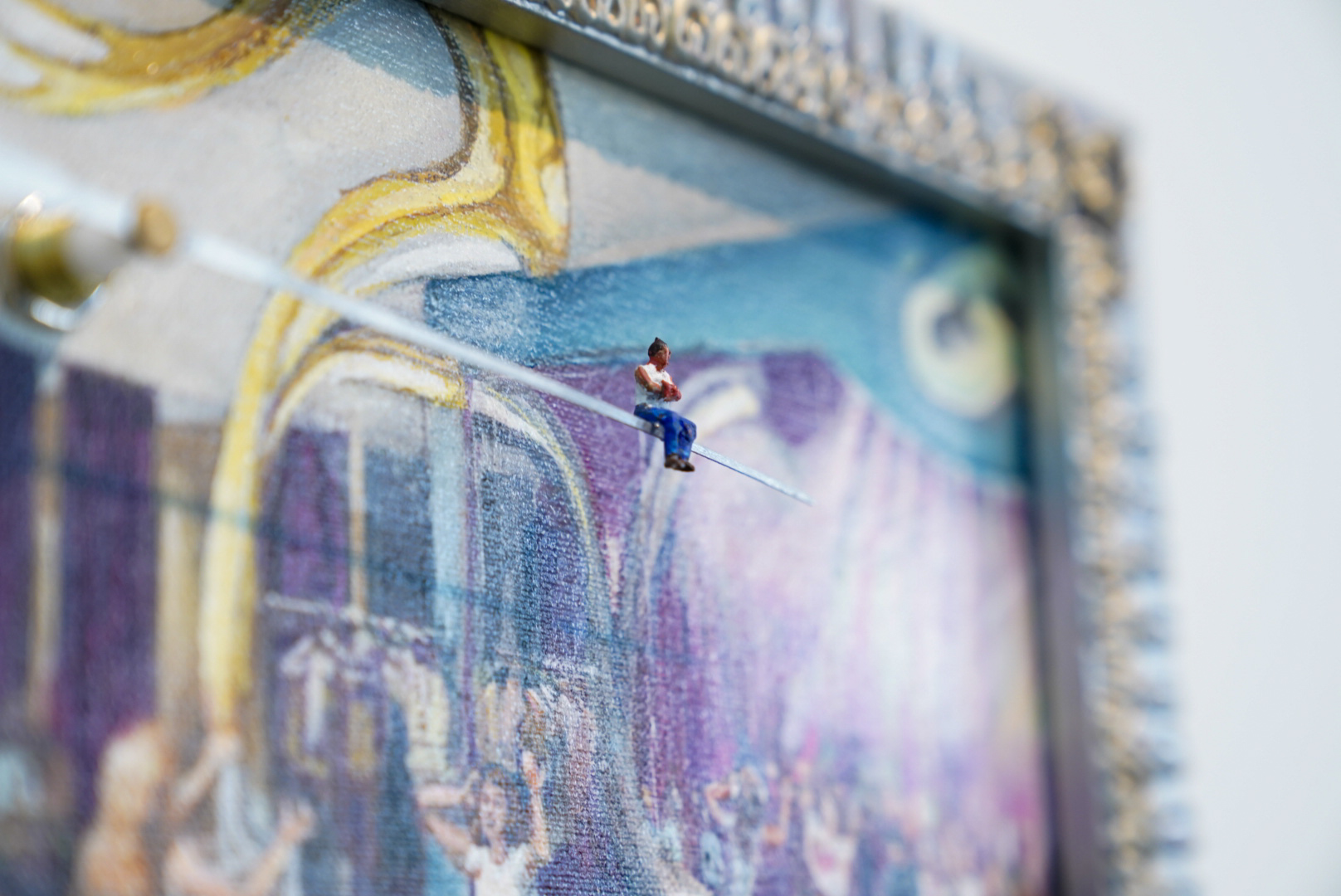
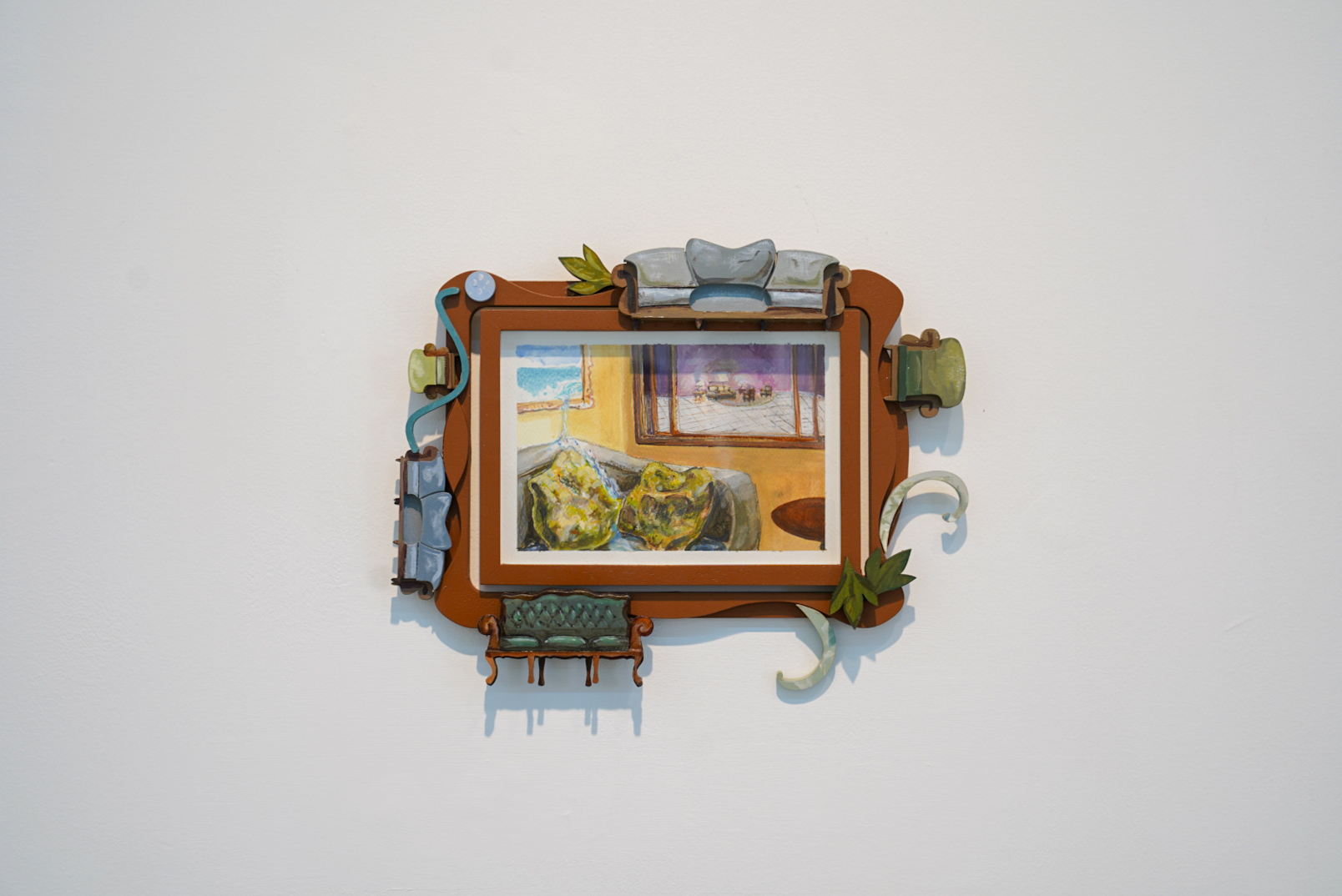
Muchos conocen la obra de Guzmán Paz por sus escenas en miniatura. ¿Cual es la razón última de reducir tanto el tamaño de las cosas? Poderlas observar casi científicamente. En la obra de Guzmán lo que en superficie parece un interés narrativo por las pequeñas escenas de lo cotidiano —algunas, muchas, basadas en su vida— es en realidad un interés por entender porqué nos dejamos entretener tan fácilmente cuando lo que en realidad deberíamos hacer es cambiar las cosas. Esbozamos una sonrisa y nos convencemos a nosotros mismos de que ese gesto es crítico pero nunca pasamos a la acción. Nadie lo hace. La acción pasa a suceder entonces en nuestras cabezas cada vez más cansadas y con incapacidad para conciliar el sueño. Despertamos en medio de la noche y aquello que veíamos bonito se nos parece horrible, feo, manchado de humedad. El mundo está sobrecargado de chorreces y abalorios superfluos y faltan voces y energías capaces de renovarlo de raíz.
Es esta, realmente, una exposición icónica, cargada de energía crítica y un sentido de la esperanza sano e ilustre que se verá sin duda en cada paso de la evolución de la obra del artista.
Agosto 2025
The Yellow Wallpaper takes its title from a short story written in 1892 by American author Charlotte Perkins Gilman. The narrative follows a woman who, after giving birth, falls into depression. Her husband, a doctor, prescribes a "rest cure" and confines her to a country house, in a room covered with yellow wallpaper. From that wall, a new and unsettling world seems to emerge before her eyes—a world that compels her to abandon reason, embrace an unexpected mental freedom, and accept madness as a path to becoming herself. Gothic and lucid at once, the text reflects on the impact of violence on mental health.
Guzmán Paz’s new exhibition builds on a compelling thesis: the mental condition of our present is rooted in material reality. The rising tide of anxiety and restlessness is not merely personal or individual, caused only by the circumstances of our lives. It is increasingly collective, the product of tangible, material, and measurable conditions. The “yellow wallpaper” of our societies is expanding, covering everything. Political and social forces, the very language with which the world is “furnished” and described, are so ornate and deceitful that they generate a mounting, inescapable sense of overwhelming ugliness.
The immersive installation created for the gallery directly addresses that ugliness: a tapestry of images generated by algorithms on social media collides with the extreme cruelty of proliferating wars and a political language stripped of mercy, nuance, or complexity—raw and brutal, like a dialogue written by the ignorant for a provincial play, now made real each time we open the news. Reality is so steeped in fiction that sincere emotions and the possibility of ethical growth feel almost out of reach.
At the heart of the exhibition lies a small piece: a miniature, fairy-tale-like house from which all the other elements in the installation emanate. Far from a dream or an ideal to aspire to, this house becomes a warehouse of horrors: its materials, its scenes, its normative and conventional vision of the world... all stem from the nouveau-riche, materialist dream into which our world is increasingly being transformed. We all agree that billionaires' weddings broadcast on Instagram are kitsch and grotesque, and yet we also witness how that same taste—recycling classical motifs of elegance, like a gown inspired by Sophia Loren—spills further obscenity into the public sphere.
Many know Guzmán Paz for his miniature scenes. But what is the deeper reason for shrinking things to such a scale? It is the possibility of observing them almost scientifically. What at first appears to be a narrative interest in small episodes of the everyday—often drawn from his own life—is in fact an attempt to understand why we allow ourselves to be so easily entertained, when what we should truly be doing is changing the world. We smile, we convince ourselves that such gestures are critical, but we stop short of acting. No one acts. Action takes place only in our increasingly weary minds, unable to find rest. We wake in the night, and what once seemed beautiful now appears hideous, stained, damp. The world is cluttered with trinkets and frivolous ornaments, while what is lacking are voices and energies capable of renewing it at its roots.
This is, in every sense, an iconic exhibition—charged with critical energy and animated by a lucid, hopeful spirit that will undoubtedly be visible at every stage in the evolution of the artist’s work.
August 2025